

You have seen the claim. Cold plunging boosts testosterone. It gets repeated in gym locker rooms and on every fitness feed, usually with a confident nod and zero detail. So you went looking for the study behind it, and the trail went cold. Either the source was an influencer quoting another influencer, or a paper that did not actually say what the caption claimed.
Here is the honest version, and it is more useful than the headline.
Cold will not directly spike your testosterone. What it does instead is arguably better for how you feel and perform day to day.
Before you click away, let us walk through what the research actually shows. Not influencer claims. Peer-reviewed studies with real data, and the two real mechanisms that matter.
The surge that gets mistaken for testosterone
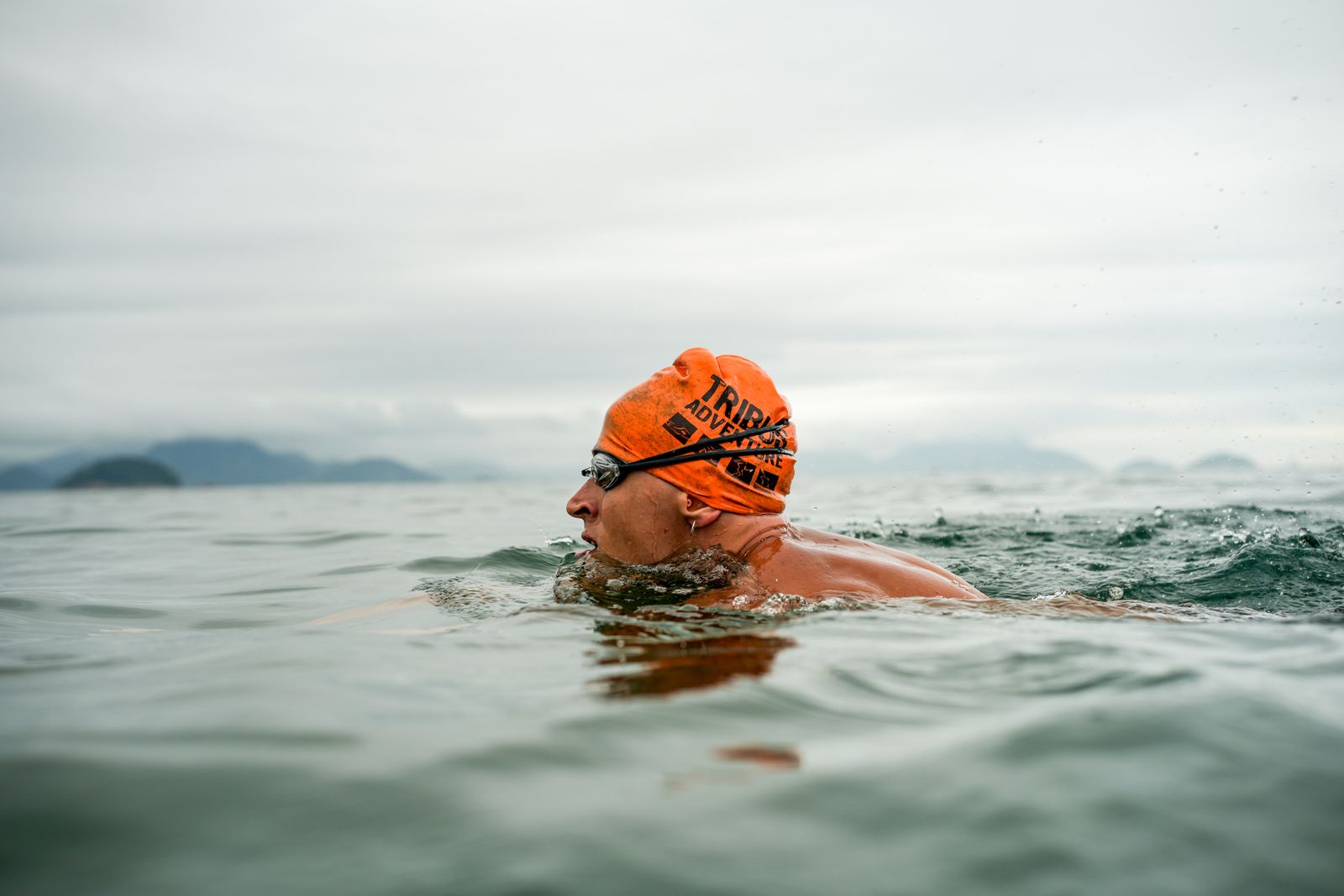
When you get into cold water, your body throws a switch. The sympathetic nervous system, the "go" side of your physiology, fires hard, and your drive chemistry climbs fast. In a controlled lab study published in the European Journal of Applied Physiology, Šrámek and colleagues measured exactly how much. At a 20 degree Celsius immersion, plasma noradrenaline rose by 530 percent and dopamine by 250 percent.
That is a real, measurable jolt of the chemistry behind focus, drive, and motivation. It is also where the testosterone myth comes from. People feel that surge, the alert and capable buzz after a plunge, and assume it must be testosterone. It is not. Noradrenaline and dopamine are precursors and signals in the wider drive cascade, not testosterone itself. Think of them less as the engine's fuel and more as the ignition key. They get the system going, and the feeling is unmistakable, but it is a different system from the one that makes the hormone.
So if cold does not pour testosterone into your bloodstream, why do so many people who plunge regularly report feeling more driven and more like themselves? The answer is two quieter mechanisms that work over time.
Mechanism one: the cortisol connection
Cortisol is your main stress hormone, and it shares a seesaw relationship with testosterone. When chronic stress keeps cortisol elevated for weeks and months, testosterone tends to sit lower. The two pull against each other. So one of the most practical ways to support healthy testosterone is not to chase it directly, it is to take the lid off the chronic stress that suppresses it.
This is where cold earns its place. A deliberate cold plunge is a small, controlled dose of stress that trains your body to meet stress calmly and recover from it fast. You practice staying composed while your system is fired up, then you watch it settle. Over time that builds a calmer, more efficient stress response, which means a lighter cortisol load across your ordinary days. Ease that chronic load, and you stop fighting your own hormones. The seesaw is freer to tip back the other way.
Mechanism two: temperature where it counts
There is a reason the body keeps the testicles slightly cooler than core temperature, tucked away from the warmth of the torso. That region runs best a few degrees below the rest of you, and sustained heat there is generally unfavorable for healthy function. It is why a long soak in a hot tub is the opposite of helpful, and why heat is the variable to watch.
Cold sits on the friendlier side of that equation. It is the opposite of the heat exposure that works against this temperature-sensitive system. We should not overclaim a direct hormonal result from this alone, but the logic of temperature is on cold's side, not against it.
The exact protocol
Temperature: 50 to 59 degrees Fahrenheit (10 to 15 degrees Celsius). This range is cold enough to drive the response without pushing you into a fight to stay in. Colder is not better here.
Duration: 2 to 4 minutes per session. You are after the surge and the calm recovery, not a test of endurance.
Timing and technique: Submerge to the neck so the cold reaches as much of you as possible, and keep your breathing slow and controlled. Make your exhale longer than your inhale, for example in for four, out for eight. That long exhale is itself a calming signal, and it trains the exact composure you are building.
Post-plunge: Let your body rewarm on its own. Walk around, breathe, let your system settle before you reach for a hot shower. That settling moment is the recovery your stress response is learning.
Frequency: 3 to 5 sessions a week, consistently. The cortisol and stress-response benefits come from repetition, not from one heroic plunge.
What to expect
Your first session: The opening seconds are loud and your body wants to brace. Slow the exhale, and within a minute a clear, alert calm usually settles in. Most people step out feeling sharp and capable, that is the drive chemistry at work.
Days 3 to 5: The cold starts to feel less like a battle. You stay calmer in the water, which is your stress response getting more efficient.
Week 2 to 3: With consistency, people tend to notice a steadier mood and a longer fuse during the day. You are carrying a lighter stress load, and that is the load that quietly works against testosterone.
The bottom line
Cold will not multiply your testosterone overnight, and any source promising that is selling you the caption, not the science. What cold reliably gives you is a genuine surge of drive chemistry in the moment and a calmer, lighter stress response over time, which eases the cortisol load that suppresses testosterone in the first place. Pair that with the simple temperature logic, and the real story is more grounded and more useful than the myth ever was. A few minutes in the cold most days is a quiet, repeatable way to feel more driven, more composed, and more like yourself.
References
- Šrámek P, Šimečková M, Janský L, Šavlíková J, Vybíral S. Human physiological responses to immersion into water of different temperatures. European Journal of Applied Physiology. 2000; 81(5): 436-442. https://link.springer.com/article/10.1007/s004210050065
Financing available · HSA/FSA eligible
For the daily ones.
Cold plunges engineered to last, backed by 5,000+ owners and a US support team.
Shop cold plunges