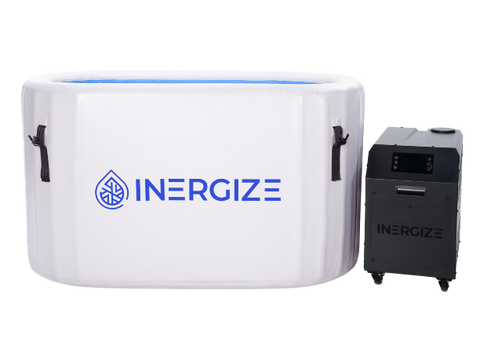
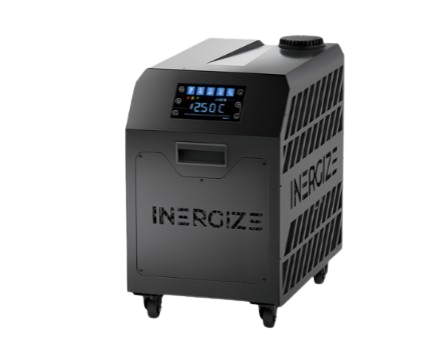


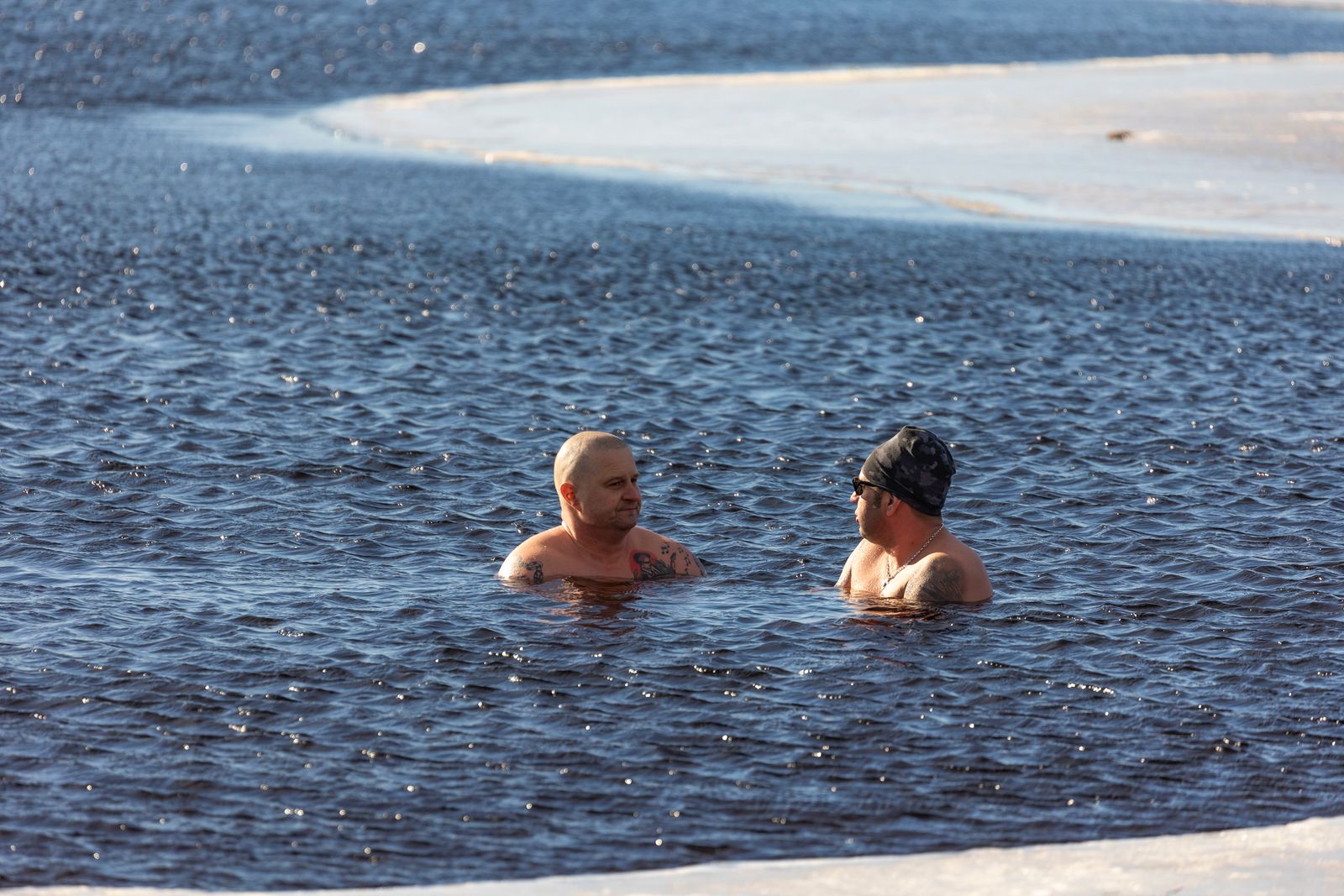
You know the feeling. Hands that go cold and stay cold. Feet that will not warm up no matter how many socks you pile on. That heavy, sluggish sensation in your legs after a long day at a desk, like the traffic inside you has slowed to a crawl. You have probably tried the usual fixes. Warmer layers, standing up more, a brisk walk that helps for an hour and then fades. Most of them treat the symptom and leave the system itself untouched.
Here is the part nobody tells you: your circulation is not fixed. It is a muscle of sorts, and like any muscle, it responds to training.
Cold water is one of the most direct ways to put that system through a workout.
Before you dismiss that, let us walk through what the research actually shows. Not influencer claims. Peer-reviewed studies with real data.
Resistance training for your blood vessels
Think of cold as a "constrict then dilate" workout for your vascular system. The moment cold water hits your skin, your blood vessels clamp down and pull your warm blood toward your core to protect your vital organs. Then, minutes later, they open back up and let blood rush to the surface again. That squeeze and release, over and over, is the same pattern that makes resistance training work for your muscles. Load, recover, repeat. Your vascular system has tone, just like a bicep, and tone is something you build.
Here is the key idea. Most of us spend our days in a narrow comfort band, never asking our circulation to do much of anything. Cold breaks that pattern on purpose. It hands your blood vessels a clear, repeatable task and lets them practice the one thing they are built to do, move blood where the body needs it, fast.
What the studies show
This is not a new discovery. Nearly a century ago, in 1930, the physiologist Thomas Lewis documented something he called the "hunting reaction." When he plunged a hand into ice water, the blood vessels first clamped down hard, as expected. But then, a few minutes later, they suddenly opened up again, flooding the hand with warm blood, before clamping down once more. Lewis watched the vessels cycle between constriction and dilation, back and forth, like a system hunting for balance. He had captured the body's built-in cold-circulation reflex in action, and his observations still anchor how we understand cold and the vascular system today.
Modern, peer-reviewed work has confirmed what Lewis saw. A detailed review of how the hands and feet respond to cold exposure describes the same rhythmic vasoconstriction and cold-induced vasodilation he first noted, and maps out the reflexes behind it. In plain terms, when you expose your body to cold, your circulation does not just sit there. It runs through an active, measurable sequence of squeezing and opening, the very response Lewis named almost a hundred years ago.
One honest note on scope. This is a story about vascular tone and the body's circulatory reflex, the way cold trains the responsiveness of your blood vessels. It is not a treatment for heart disease or any cardiovascular condition, so if you have a heart or circulatory diagnosis, talk to your doctor before starting cold exposure. Framed correctly, though, what the research describes is genuinely encouraging. Your circulation is responsive, trainable, and ready to work.
The exact protocol for training your circulation
Temperature: 50 to 59 degrees Fahrenheit (10 to 15 degrees Celsius) is plenty to trigger the constrict-and-dilate response. Colder is not better here.
Duration: 2 to 4 minutes per session. The goal is to let your blood vessels run through the full squeeze-and-open cycle, not to set an endurance record.
Submerge your limbs: Your hands and feet are where the hunting reaction was first observed and where the response is strongest. Get your arms and legs fully under, and submerge to the shoulders if you can, so the whole system is recruited at once.
Post-plunge rewarming: This is the multiplier. Step out and let your body warm itself back up naturally rather than jumping straight into a hot shower. That natural rewarming is when your blood vessels dilate and flood the surface again, the other half of the workout.
Frequency: 3 to 5 sessions a week. Like any kind of training, the adaptation comes from consistency, not from one heroic effort.
What to expect
Your first session: The first ten seconds are loud. Your skin tightens, your hands ache a little, and your body braces. Breathe slow and steady, and within a minute or two you settle. Stepping out, most people feel a warm, tingling rush as blood returns to the surface.
Days 3 to 5: This is where it gets interesting. People often notice the rewarming flush arrives faster and feels stronger, a sign your vascular system is getting quicker at the dilation half of the cycle.
Week 2 to 3: With consistent practice you are effectively doing reps for your circulation. Many people report that cold hands and feet warm up more easily through the day, and the heavy, sluggish feeling after sitting eases off.
The bottom line
Cold circulation is not a problem you are stuck with. Your blood vessels were built to squeeze and open on demand, and cold water gives them clean, repeatable practice at exactly that. A few minutes of cold, a calm rewarming afterward, and a little consistency is all it takes to put your vascular system through its paces. The science goes back nearly a hundred years, and the message is a hopeful one. Your circulation is far more responsive and trainable than most people ever give it credit for.
References
- Lewis T. Observations upon the reactions of the vessels of the human skin to cold. Heart. 1930. https://en.wikipedia.org/wiki/Hunting_reaction
- Responses of the hands and feet to cold exposure. Temperature. PMC4843861. https://www.ncbi.nlm.nih.gov/pmc/articles/PMC4843861/
Financing available · HSA/FSA eligible
For the daily ones.
Cold plunges engineered to last, backed by 5,000+ owners and a US support team.
Shop cold plunges