

You know the wall. It is somewhere between one and three in the afternoon. Lunch is done, the morning's momentum is gone, and your brain quietly clocks out. The words on the screen stop landing, you read the same sentence three times, and your hand drifts toward another coffee out of pure habit. You have probably tried to push through it. More caffeine. A sugary snack. Sheer willpower. And mostly the wall wins, then the late coffee comes back to haunt you at bedtime.
Here is what nobody tells you about the afternoon crash. It is not just willpower or a bad lunch. Part of it is literally written into your body temperature.
The cleanest way out is not another coffee. It is a short cold reset that hits the exact levers the slump runs on.
Before you dismiss that, let us walk through what the research actually shows. Not influencer claims. Peer-reviewed studies with real data.
Why you crash at 3pm
Across the day your core body temperature follows a rhythm. It climbs through the morning, which is part of why you feel switched on, and it dips at night to help you sleep. But in the early afternoon that climb tends to flatten out for a stretch. Researchers have a name for what comes with it: the post-lunch dip.
Here is the link most people miss. Your alertness rides on that temperature curve. When core temperature is rising you tend to feel sharp, and when it stalls you tend to fade. So the afternoon crash is partly a body-temperature story. It is less about the sandwich you ate and more about a natural flat spot in your internal thermostat. And that matters, because temperature is something you can actually do something about, directly.
What the studies show
The foundational study here is Monk and colleagues, published in Chronobiology International in 1996. They looked closely at the early-afternoon dip in alertness and performance and tied it to the body's core-temperature rhythm. The people who crashed hardest were the ones whose temperature stopped rising in the middle of the day. In plain terms, when your internal thermostat flatlines in the afternoon, so does your focus. The slump tracks the temperature curve.
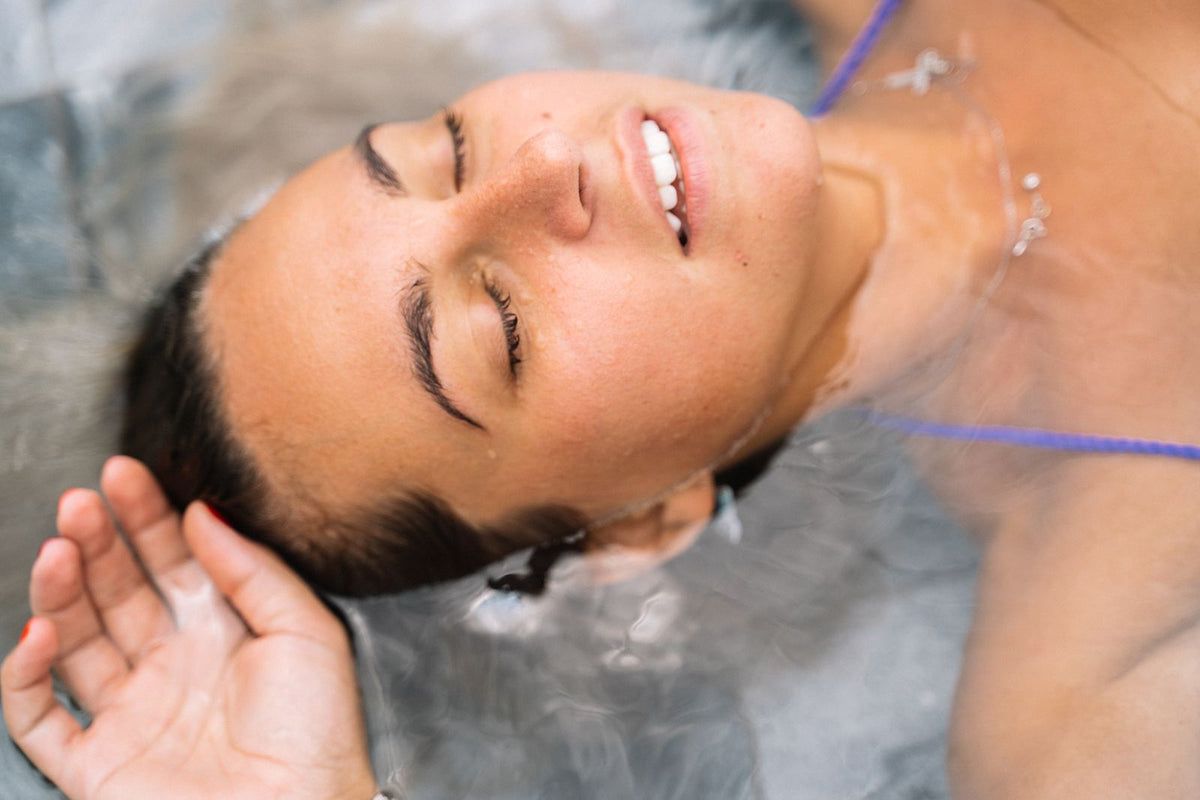
So what happens when you deliberately apply cold? In a 2023 brain-imaging study in the journal Biology, Yankouskaya and colleagues put 33 adults through a single five-minute cold bath and found they came out feeling more active, alert, and attentive. That is the exact list of things the afternoon steals from you, handed back by a short cold exposure, with no caffeine involved.
The chemistry underneath it explains the kick. In a controlled study in the European Journal of Applied Physiology, Šrámek and colleagues measured the body's response to cold immersion and found that noradrenaline, the brain's core alertness chemical, rose by 530 percent. Noradrenaline is a big part of what a strong coffee chases. The difference is that the cold delivers it through temperature, not a stimulant, so there is no jittery spike and no crash on the back end.
The exact protocol for an afternoon reset
Temperature: 50 to 59 degrees Fahrenheit (10 to 15 degrees Celsius). You are after a clean jolt of alertness, not an endurance test.
Duration: 1 to 3 minutes. Short and sharp. This is a reset, not a session, so you can be back at your desk in a few minutes feeling like a different person.
Timing, mind the clock: Aim for the dip itself, roughly the one-to-three window when you feel the fade arriving. Keep it to the early or mid afternoon. Because cold raises alertness chemicals, you do not want to plunge too close to bedtime, so leave a good several hours before sleep.
Technique, stay calm and breathe: Get in, slow your breathing, and keep your exhale longer than your inhale. Let the alertness arrive without tensing up and gasping. Calm and sharp is the combination you want.
Post-plunge, go straight back to it: Step out, towel off, and head right into the task you were avoiding while the lift is fresh. The clarity is most useful in the first stretch afterward.
Frequency: Use it on the days you actually hit the wall. As a standing reset a few afternoons a week, it slots in nicely without taking over your routine.
What to expect
Your first session: The first ten seconds are loud as your body wakes up. Within a minute or two of getting out, the fog usually lifts and you feel noticeably more present and awake.
The first week: You start to notice you reach for the late-afternoon coffee less, because the cold is doing the alertness job without wrecking your evening. That trade alone tends to win people over.
Over a couple of weeks: Many people find their afternoons get steadier and their evenings calmer, because the energy now comes from temperature rather than a stimulant that lingers in the system at bedtime.
The bottom line
The 3pm crash is not a character flaw and it is not something you simply have to endure. It is partly a body-temperature story, a natural flat spot in your internal rhythm, and that means it has a direct lever. A short afternoon cold reset hits both the temperature and the alertness chemistry head on, handing back the focus the slump took, without another coffee chasing you into the night. Two minutes is a small price for an afternoon that holds, and a clear, caffeine-free way to finish the day strong.
References
- Monk TH, Buysse DJ, Reynolds CF, Kupfer DJ. Circadian determinants of the postlunch dip in performance. Chronobiology International. 1996. https://pubmed.ncbi.nlm.nih.gov/8877121/
- Yankouskaya A, et al. Short-Term Head-Out Whole-Body Cold-Water Immersion Facilitates Positive Affect and Increases Interaction between Large-Scale Brain Networks. Biology. 2023. https://www.mdpi.com/2079-7737/12/2/211
- Šrámek P, Šimečková M, Janský L, Šavlíková J, Vybíral S. Human physiological responses to immersion into water of different temperatures. European Journal of Applied Physiology. 2000. https://link.springer.com/article/10.1007/s004210050065
Financing available · HSA/FSA eligible
For the daily ones.
Cold plunges engineered to last, backed by 5,000+ owners and a US support team.
Shop cold plunges